Bone broth from
a Lisbon kitchen.
We started cooking it for ourselves. Then friends wanted some, then friends of friends, and somewhere along the way it turned into what we do. We still cook it the same way.
Ripe Lifestyle Europe.
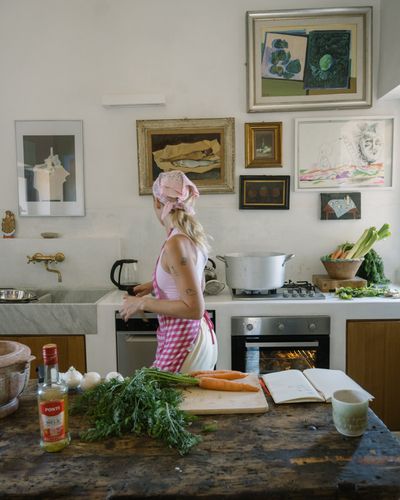
We make bone broth in small batches out of a kitchen in Lisbon. It cooks for eighteen hours and we use whatever's good at the market that week. Ripe started in Toronto, and the original is still going; the Lisbon version came later, cooking the same recipes with what's local. The produce is the main reason we cook here. Everything is fresher, tastes like it should, and most of the work is just turning up at the market.
A few things
we hold to.
Three small principles that shape every batch. Less aspiration, more practice.
Each jar is made to be drunk within a week of opening. We don't pasteurise to extend shelf life, so we cook when we cook and let you know when it's ready.
Our bones come from Portuguese farms within 100km of Lisbon, our vegetables from the organic market in town. We pay more for better ingredients because the broth is only as good as what goes into it.
We're not in supermarkets, and we're not shipping across continents. We'd rather make really good bone broth in the city we love.
Where it
comes from.
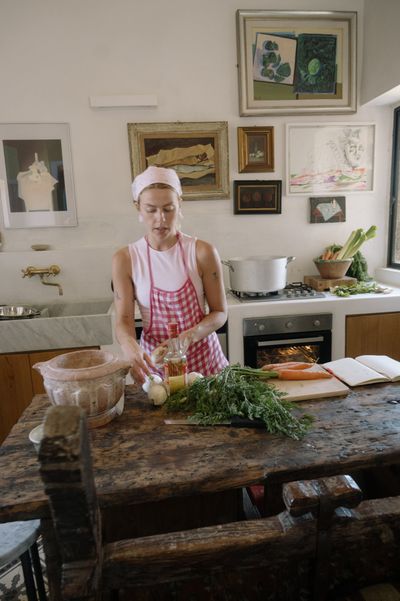
We source everything we can locally, organic where it exists. Bones are the foundation: grass-fed beef from cattle raised on pasture in Alentejo, free-range chicken from small farms in the Setúbal Peninsula. The vegetables and herbs are simple and seasonal. Nothing artificial. No MSG. No preservatives.
| Ingredient | Source | Region |
|---|---|---|
| Beef bones | Grass-fed cattle | Alentejo, Portugal |
| Chicken bones | Free-range organic | Setúbal Peninsula, Portugal |
| Vegetables | Organic market | Lisbon |
| Herbs | Kitchen gardens & farms | Alentejo & Lisbon |
| Water | Filtered | Lisbon |
| Apple cider vinegar | Organic | Portugal |
Eighteen hours.
Every time.
Bone broth doesn't really work in a hurry. Collagen takes its time to break down, minerals take their time to release, flavour takes its time to come together. So we give it eighteen hours and try not to interrupt.
Bones and vegetables are collected fresh. We roast the bones first for depth, then everything goes into the pot with filtered water, apple cider vinegar, and herbs.
Low and slow, eighteen hours at a gentle simmer. We skim regularly, watch the heat, and leave the seasoning until the end.
We strain, season lightly with sea salt, and jar the broth while it's still hot. Sealed and cooled the same day. Ready for collection within twenty-four hours.
What eighteen hours
brings out.
Bone broth has been around for thousands of years for good reason. The science is simple, and most of it comes down to giving the cook enough time.
Collagen and gelatin from slow-cooked bones support cartilage, tendons and connective tissue. Quietly helpful for flexibility and recovery.
The gelatin in slow-cooked broth helps soothe the gut lining and feed beneficial bacteria, which is part of why so many people drink it most mornings.
Collagen is the structural protein that gives skin its elasticity. Drinking it in whole-food form supports hydration, hair, and nail growth over time.
Glycine and glutamine quietly support cellular energy, muscle repair, and steady focus through the day.
"Good ingredients don't need much done to them. Neither does good broth."
Want to know when the next batch is ready?
Join our list and we'll send you a short message by email or WhatsApp when the next batch opens for orders. That's it.